A New Type of Mortgage Is Reviving Long Abandoned Neighborhoods
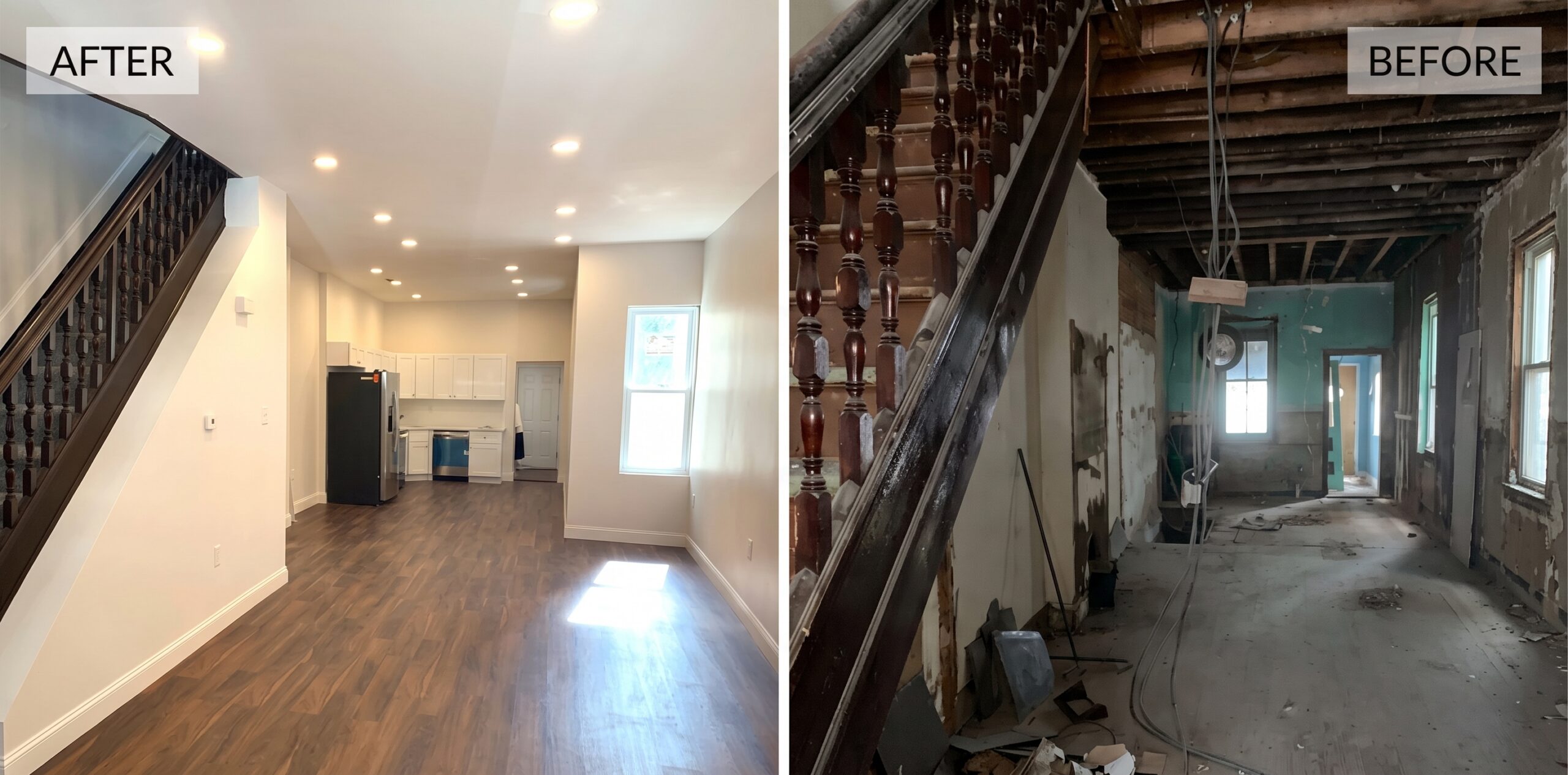
The Wall Street Journal had a great article detailing how this new(ish) type of financing is helping small investors qualify for rehab loans so they are fix up run down properties and put them on the rental market. In short – you qualify for the loan based on the property’s estimated future income, not your current income. (The article is behind a paywall – if you want to read it contact me and I can send a pdf copy.)
-
Rise of DSCR Loans for Small Investors: The article highlights how Debt Service Coverage Ratio (DSCR) loans—traditionally used in large commercial real estate—are increasingly being used by smaller real estate investors to purchase and renovate distressed residential properties.
-
Underwriting Based on the Projected Property Income, Not Personal Income: Unlike traditional mortgages that evaluate personal debt-to-income (DTI) ratios, W-2 income, or tax returns, DSCR loans evaluate whether the property’s projected rental income will cover its monthly debt service (mortgage payment, taxes, and insurance).
-
Reviving Blighted Communities: Investors are using these alternative mortgages to fund property flips and rental conversions in distressed neighborhoods across cities such as Cleveland, Indianapolis, Baltimore, Detroit, and Memphis.
-
Speed and Flexibility vs. Higher Costs: While DSCR loans allow real estate investors to bypass rigid traditional banking requirements and secure funding quickly, they generally come with higher interest rates and down payment requirements compared to standard conventional mortgages.
-
Debate on Access to Capital: The financing shift rewards risk-tolerant small-scale developers restoring abandoned properties, though critics note that these alternative loan products are primarily accessible to real estate investors rather than everyday homebuyer occupants.
Credit: Summary based on reporting from The Wall Street Journal.