
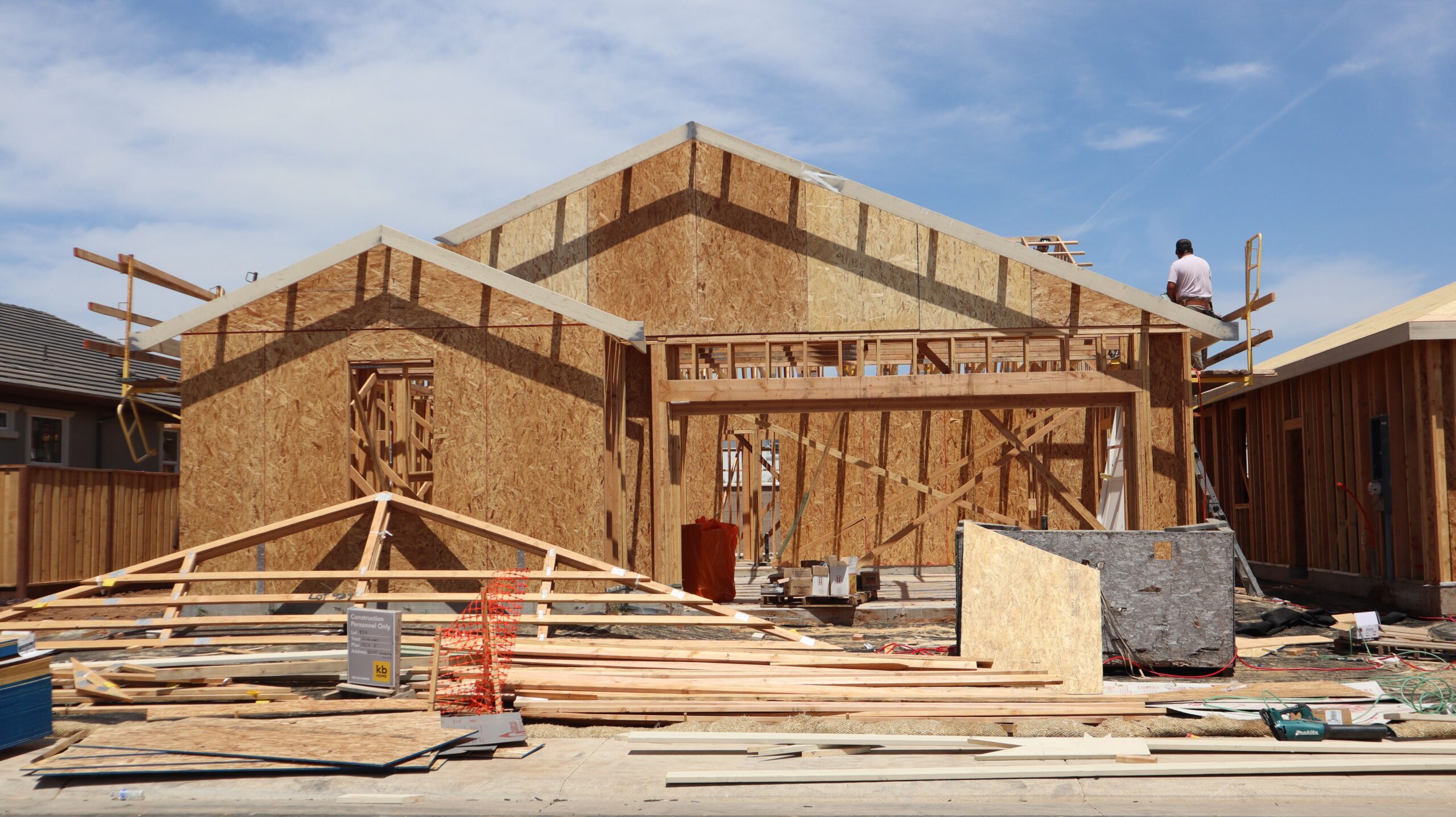
Building a home from the ground up is an exciting dream, but financing it works a bit differently than buying an existing house. Instead of getting a standard mortgage, you will likely need what is called a Construction-to-Permanent Loan (sometimes called a “single-close” loan).
This type of financing covers both the cost of building the home and the long-term mortgage once the home is finished.
Here is a plain-English breakdown of how these loans work, along with the pros and cons to help you decide if it is the right path for your Pacific Northwest build.
How It Works: The Basics
-
The One-and-Done Loan: Instead of getting one loan to build the house and a second loan to pay off the builder, a construction-to-permanent loan combines everything into a single mortgage.
-
The “Draw” Phase: While the home is being built, the lender doesn’t hand all the money to the builder at once. Instead, funds are released in stages (called “draws”) as specific milestones are met, like pouring the foundation or putting on the roof.
-
Interest-Only Payments: During the construction phase (usually 6 to 12 months), you only pay interest on the amount of money that has actually been paid out to the builder so far, not the full loan amount.
-
The Flip to Permanent: Once the builder puts the finishing touches on the home and the local inspector clears it for occupancy, the loan automatically converts into a traditional 15- or 30-year fixed mortgage. You then start making regular monthly payments of principal and interest.
The Pros: Why It’s a Great Option
-
One Set of Closing Costs: Because you are only closing on one loan, you only pay lender fees, escrow fees, and title fees once. This can save you thousands of dollars compared to getting two separate loans.
-
Lock in Your Rate Early: Interest rates fluctuate constantly. With this loan, you can lock in your permanent mortgage rate before construction even begins, protecting you if rates rise while your home is being built.
-
Lower Payments During Construction: Since you only pay interest on the money used so far, your monthly out-of-pocket costs are kept to a minimum while you might still be paying rent or a mortgage on your current living situation.
-
Built-In Quality Control: Lenders send inspectors out to verify the builder’s progress before releasing money. This adds an extra layer of protection to ensure the work is actually being done correctly.
The Cons: Things to Keep in Mind
-
Stricter Qualification Rules: Building a home carries more risk for a lender than buying an existing one. Because of this, you will typically need a higher credit score, a lower debt-to-income ratio, and a larger down payment (often 10% to 20%) than a standard mortgage.
-
Vetted Builders Only: You can’t just hire anyone or do all the work yourself. Lenders require the builder to be licensed, insured, and thoroughly vetted for financial stability before approving the project.
-
Higher Initial Interest Rates: The interest rate during the construction phase is often a bit higher than standard mortgage rates because of the risk involved.
-
The Risk of Delays: If weather, supply chain issues, or permit delays extend the timeline beyond the lender’s agreed-upon construction window, you could face extension fees or complications with your rate lock.
The Bottom Line
If you want to build a custom home in Oregon or Washington, a construction-to-permanent loan is usually the most streamlined and cost-effective way to finance it. It protects your budget during the build and simplifies the paperwork.